International Medical Insurance for Expatriates

Showing posts with label international health insurance. Show all posts

24 October 2013

Key Questions to Ask when Buying Your International Health Insurance


So, you have decided to make the move and work abroad for some time. You may be excited about the prospect of meeting new people, a great new job and enjoying the culinary treats in your guest country. Next thing is to plan that move.

In tough economic times, we tend to save as much cash as possible. Exercising regularly and eating healthily will definitely help you and your loved ones in different ways. But, a healthy lifestyle will not protect you and your finances against an unexpected event or from an old injury or illness. For example, the bill for just an injured elbow in Hong Kong could cost you £10,000 or more. 

Now, health insurance is not the easiest product to shop for, but it is not as hard and daunting as it may look like at first glance. We thought we put together the key questions to ask your health insurance broker. Got any more questions, just ask!

1.     Do I need worldwide cover?
This will depend on your circumstances at that moment. If you're a contractor and are looking to 
live in different countries, then your options may be different from expats on a company transfer. This becomes particularly important if your family is travelling with you. Your domestic health insurance cover is not likely to cover you abroad.
2.    What benefits are provided?
Benefits range from regular medical check-ups to maternity cover and expatriation. All you need to do is assessing your circumstances and decide what benefits your health insurance plan needs to include. Your broker can help you with this.
3.    Will my medical history be taken into account?
Any previous injury or illness history will have a bearing on your health insurance policy. This is what we call 
pre-existing conditions in insurance.

It is important that you tell your broker about any condition or injury that you might have received treatment for in the last five years, including those that are controlled by medication, such as hypertension. The reason for this is that you may not be covered for any of these conditions nor for any derived consequences of them. Your broker will help you choose an insurance cover that best suits your needs.
4.    Why do I need international health insurance?
The chances of you or your family having an unexpected illness or an accident may seem small. But, road accidents or injured limbs can easily set you back a couple of thousand pounds anywhere in the world, which would add to the anxiety of needing to perform well in your new job. An adequate international health cover will enable you to have prompt access to quality treatment or being evacuated home if needed.
5.    Am I covered for routine medical check-ups and dental treatment?
An international health insurance will include a variety of treatments, including medical check-ups and dental treatment. It is generally a good idea to include dental treatment in your policy, as it can be quite expensive to arrange when abroad.
6.    Would I be covered if I become pregnant?
Yes, you may be covered, although insurance plans worldwide 
may cover different aspects of pregnancy.
7.    Can I choose doctors and hospitals?
Yes, you can choose both the doctors and hospitals or clinics where you wish you to be treated.
8.    When would I be seen?
A qualified healthcare professional would see you as soon as you need it. Even in industrialised countries, such as 
Canada, waiting periods can be long and bureaucracy overwhelming. Your international health insurance policy will enable you to avoid the hassle.
9.     How much will I pay?
That would depend on various aspects, such as the benefits included and on the number of people who would be included on your policy. Your broker will help you find the plan that best suits your needs and budget.
10.  Can my family or spouse be covered with my insurance?
Health insurance plans can include family members or spouses.
Still in doubt? Then, please ask us!

Thanks for reading this post.

The Medibroker Team


Photo credit
Photo credit


17 October 2013

Living a Healthy Expat Life


Living the expat life may be an exciting adventure for some, even if they have been in the country for a number of years. When expats arrive to their guest countries, everything looks and feels different, and there's usually something new to be experienced for expats who are already settled down abroad.

Living a Healthy Expat Liffe
In both cases, health issues are not uncommon. Anything from a simple cold to the anxiety of living far from family and long-term friends can happen whether you live in Singapore or in Moscow. Preparation is essential to avoid any issues. However, and despite the best preparation, health issues can definitely occur.

Here are some hints and tips to help expats make the most of their experience abroad.

Keep a positive attitude
Going away to a new country and far from your loved ones may be daunting. It is important not to dwell on the negative aspects, and highlight the positives.

Get the basics right

In our home countries, we tend to take for granted the very basics, and we know which situations to avoid. Research the country and the area where you are going to live to find out about housing, transportation, supermarkets, business hours, food prices, etc. This may not be directly related to health matters, but it will add to your peace of mind knowing your way around.

Take health precautions

Health and medical issues might not be a problem in your home country. But, going abroad comes with certain risks. Keeping your common sense is important, especially if you're going to countries which you're unfamiliar with. Some examples are:

    Living a Healthy Expat Liffe
  • Get your routine vaccinations updated;
  • Visit your doctor around eight weeks in advance before travelling to check the preventive measures that you need to take;
  • Use sun cream and insect repellent if necessary;
  • Avoid eating raw or re-heated food;
  • Avoid drinking water that has not been boiled or sanitised;
  • Make sure that you eat and sleep well.
Always travel safe

Leading a healthy lifestyle will help expats in different ways. However, all the health precautions will not prevent you from getting sick during your expat assignment. Accidents can also happen and it would only add to your peace of mind knowing that you can receive adequate treatment promptly or being evacuated if necessary. So, consider taking an international health insurance policy.

On the other hand, even the most basic treatment can be difficult to arrange abroad and can also be very expensive. Make sure that you're covered for your entire stay and before travelling to avoid any complications.

Keep in touch, but make new friends abroad

It is important to keep in regular contact with your family and friends back at home to help you avoid that loneliness feeling. Making new friends is also key to adapt to your new country. Both locals and other expats can help you learn about your new country or the new language and it will help you reduce stress.

Keep a list of contacts

It will help you find the right support when things become tough. Embassy contact information and business hours, address and phone number of a doctor and hospital, your health insurance contacts, trusted friends in your guest country, etc.


Got another tip? Please feel free to share it with us!

Thanks for reading this post.
The Medibroker Team


Photo credit
Photo credit

19 September 2013

Living in Russia as an Expat

Expats living in Russia can experience a unique blend of traditional culture and Western influences. The Russian Federation, as it was called after 1991 when the Soviet Union ceased to exist, is the largest country in the world. It spans nine time zones and two continents.


The energy sector has traditionally been a magnet for expats who wanted to gain further working experience or doing business there. Russia is the second largest producer and exporter of natural gas in the world and the largest producer of oil, surpassing Saudi Arabia. The country also has deposits of coal, timber and various other minerals. Other strong sectors are finance and construction.

Russia has made significant progress during the past decade in modernising its economy, which is reflected in the number of Western businesses which are now headquartered in Russia, mostly in cities such as Moscow and St Petersburg. While many junior or mid positions are now starting to be filled with locals, many senior and specialist roles are still held by the expat workforce. 

There are many stereotypes about the country which can be seen as a barrier to living and working in Russia. However, business people based there tend to downplay those ideas. Nowadays, Russia is shifting towards capitalism and many believe that cities such as Moscow are a far cry from the 1990s. The concept of innovation is welcome in Russia and they tend to be open to new ideas in business.

Here are some hints and tips which you might find useful if you're an expat living and working in Russia or are looking to relocate there. Have you got any others? What's your experience?

In business
  • Russians tend to work long hours;
  • Learning Russian will be useful in business and would ease your transition;
  • Russians may have knowledge of a foreign language and a good idea about the West. But, don't assume that their level of fluency in English or that their idea of Western culture is good;
  • Networking and finding partners is key to do business in Russia;
  • A business meeting is a serious occasion and should not be treated lightly. Body language in business meetings is minimal.
  • It is important to dress smartly and to try to appear as a decision-maker, so that Russians don't lose any interest;
  • Allow time for Russians to answer. Expect some silence before you get a reply to your question;
  • Russians tend to be more direct than we are in the West.

In life

  • It is illegal to film on the metro;
  • Russians can be very hospitable, and it's customary to bring flowers or wine if you're invited for dinner;
  • Don't forget to bring your international health insurance with you to avoid any issues that you might have;
  • Smiling is not as usual a habit as it is in the West;
  • Explore! You might find fascinating their varied landscape, rich traditions, art and architecture;
  • Visit Lake Baikal;
  • Try their pelmeni, beet soup and other delicious recipes from their traditional cuisine.

Thanks for reading this blog post.
The Medibroker Team


Photo credit
Photo credit


22 August 2013

Expat Life in Saudi Arabia


Saudi Arabia holds a quarter of the world's oil reserves,. The wealth that comes along with oil has unsurprisingly attracted numerous multinational companies and expatriates in recent years.

Nearly 80% of the over 26 million residents concentrate in cities, being the Kingdom dominated by desert! There are roughly 5.5 million expats living in the Kingdom, most of whom are manual labourers from South East Asia. The number of Europeans and North Americans living in the country is estimated at 300,000.

Oil accounts for around 45% of the country's GDP (90% of their export gains). This is partly the reason why Saudi Arabia is one of the few high-income countries with a strong industrial sector. The tertiary sector is the second most important economy sector in the country. Power generation, telecoms and the petrochemical industry have been given particular attention in the last few years.

There are many job opportunities if expats have specific expertise and a high level of experience. Many expats work in the engineering, healthcare, IT and finance sectors. It is rare to go to Saudi Arabia without a job offer. In fact, a job offer is a pre-requisite to be given a work permit, and can only be requested by the company that sponsors expat workers. At the same time, sponsors are responsible for expats, their well-being and good behaviour.

Expat Life in Saudi Arabia

  • Islam impacts every single aspect of life and has moulded one of the most traditional societies in the world. This means that expats need to be willing to accept a new set of values, which include gender segregation in most public places and the need to dress appropriately.
  • Music and dance are important aspects of cultural life. There is a lack of cinemas and theatres in accordance to Islam, but there are festivals, such as the Al Janadryah.
  • There are opportunities to socialise with other expats.
  • There are not many religious sites in Saudi Arabia, as the form of Islam that is practised there is salafism.
Is there anything else that we haven't covered? Then, please let us know!

Thanks for reading our blog.
The Medibroker Team


Photo credit

24 May 2013

Pre-Existing Conditions - Diabetes. Facts and Tips

According to the World Health Organisation (WHO), about 347 million people in the world suffer from diabetes. This is already a big figure, but studies seem to indicate that the number of sufferers is currently increasing. As a result, the healthcare systems of many countries worldwide will be badly affected soon. Since we receive many enquiries in relation to this pre-existing condition, we thought we would look at some facts, as well as tips for expats to prevent it when settling down in another country.

WHO says that 80% of sufferers live in low and middle income countries, some of which also happen to be popular expat destinations, such as China. In other areas around the world, diabetes is also growing quickly. Research company YouGov surveyed residents in the UAE in March this year to better understand how diabetes rates have impacted the Emirates. 58% of the Emirati surveyed reported that it ran in the family, as compared to 41% of Westerners and 54% of Asians. The WHO predicts that there will be 685,000 cases in the Emirates by 2030.

Just to give a bit of context, there are three types of diabetes. The two major types are type 1 and type 2. Type 1 diabetes is characterised by a lack of insulin production, whereas type 2 diabetes sufferers are unable to make effective use of insulin. Insulin is the hormone that regulates the amount of glucose in the blood. A third type of diabetes is characterised by raised blood sugar levels, and which has been recognised or first appeared during pregnancy. 

Lifestyle changes can lead to type 2 diabetes, which is the only type that can actually be prevented, and yet it accounts for around 90% of all diabetes worldwide. How does this affect expatriates? When expats move to a new country, it is very easy to become less active than they might have been prior to moving to a new country, as a result of their adaptation process. 

It is also very easy to indulge in the variety of new and exotic foods available while leading a less active lifestyle. The temptation of tasty comfort food is often too much to resist. However, many of the respondents in the survey above cited weight and poor diet as the main perceived causes of diabetes in adults. 

So, let's look at some hints and tips for expats to lead a healthier lifestyle.
  • Keeping an eye on your diet becomes essential.
    Eating dark and green orange veggies can help. For example, spinach, broccoli, carrots and winter squash.
  • Eat good carbs, eg, whole grain cereals.
  • Regular moderate exercise will be helpful. Just an hour's walk every day will help.
  • Act early! Check your blood sugar levels, because high blood sugar levels can be corrected before lasting damage sets in.
While expatriates who suffer from this pre-existing condition would still be advised to check how diabetes can affect their policy, it is a good idea to take the necessary steps to prevent it.

Thanks for reading. 


10 May 2013

Check the Healthcare Provision in Kuwait.


Kuwait has been attracting a sizeable number of expats over the past two decades. Its sunny weather and business prospects are two of the attractions to relocate there.

However, and according to the Arabian Business, the Kuwaiti Government has reportedly approved some changes to the healthcare provision in the country recently, which affect the foreign population working there. Expats would be advised to check them, even if they are already working in the country.

For those who do not know it, the State of Kuwait is located in the Arabian peninsula, at the tip of the Persian Gulf. For centuries, it has attracted Bedouins fleeing the hot interior. Today, it is also an oasis, but of the cultural kind too. It is a modern country with good museums and good shopping opportunities and restaurants. The language spoken there is Arabic.

A striking fact is that most of the over 3 million population in Kuwait these days are expats who entered the country after 1990. They have replaced the many Kuwaitis who fled the poor economic situation in their home country. The expatriate population now accounts for about 80% of the labour force.

It may seem surpirising to talk about economic crisis in one of the 10 richest countries per capita in the world. But, with the price of the oil collapsing in the 1980s and the financially disastrous invasion of Iraq in 1990, the economy collapsed and many Kuwaitis fled their own country. These days, their economy has bounced back, no doubt helped by the fact that Kuwait is home to about 10% of the world's oil reserves and by having the biggest cargo fleet in the Arab world.

In terms of healthcare, the Government has reportedly approved a proposal to give Kuwaitis priority, which would reduce the level of care given to expats. Expats would only be able to access medical care in the afternoon. Foreign medical staff would also be working in the afternoon only.

Although there have been some voices raised against this measure, and no timeline was given for its implementation, it would be useful for expats looking to relocate or already working there to check with a specialist health insurance broker to get the full picture in terms of costs and the facilities expats would have access to in case they needed it.

Have you got any comments or want to share any experience of working in Kuwait?

Thanks for reading!


Picture credit: ELG Educational Services


2 May 2013

Healthcare Provision in Latin America and the Caribbean

The Latin American and Caribbean countries are experiencing a growth in popularity these days. Their economy has now become more stable, and there are more business opportunities for expats. Industries like oil, copper and tourism helped the economy in the LATAM and Caribbean region to grow by 3.1% last year, whereas the global economy grew by 2.2%.  
Courtesy of www.worldbank.org

The team at Medibroker has recently won the chance to advice on a range of healthcare products serving expats in this area in the world. So, we thought we would look at the healthcare provision there.

The tables have definitely turned, and it is now the European countries that are experiencing a decline not only in employment, but in healthcare provision, due to the financial crisis. One reason may be that macroeconomic 'prudence', as economist Alicia Bárcenas puts it, is now mainstream in the region. 

However, it remains the most unequal in the world in terms of economy. In fact, Colombia only recently included the right to healthcare into its Constitution. Also, their often regressive tax systems make it really hard for governments to spend in social policies and healthcare. 

However, if locals are having difficulty in obtaining access to adequate healthcare, it might not be any easier for expats without international health insurance either. Expats should also consider the language barrier.

Why an international health insurance in the region would be useful?

Some of the reasons as follow:
  • Facilities can range from poor to excellent depending on location and budget. 
  • Hygiene may also be an issue, especially outside of big cities. 
  • Standards of care may vary, and expats are advise to enquire if products are compliant with international standards. For example, blood screenings prior a transfusion
  • Serious illnesses may require treatment in private hospitals, which may increase healthcare costs.

Well done Steve McCrady and the Medibroker team!

Thanks for reading.

17 April 2013

What to Do and See in Kazakhstan

Kazakhstan is attracting increasing numbers of expatriates, due to its economic development in recent yearsThe country was the largest of the Central Asian states in the former Soviet Union, and it is the world's ninth biggest country by size.

After gaining independence in 1991, Kazakhstan has used its large oil and natural gas resources to become an emergent economy. Achieving a sustainable economic growth outside oil, power and mining sectors is, as a matter of fact, one of their current issues. At the moment, it is the richest country in Central Asia and one of the most economically advanced of the so-called 'stan' states.

According to the Office for Statistics of Kazakhstan, there are about 100,000 foreigners working in the country. About 81% of them are highly qualified and have middle and top management positionsAlthough the Government has made it a priority for their citizens to be present in the workforce, the lack of specialists forces foreign investors to attract workforce from abroad. The skills in demand are technical, management and marketing.

Once there, expatriates can enjoy one of the greatest undiscovered travel destinations. Now that Sacha Baron Cohen's infamous character Borat has helped to put Kazakhstan on the map, tourism is growing in this ethnically diverse country.

However, expats need to take into account that healthcare has reportedly deteriorated since the Soviet times. Due to language issues and the fact that it is difficult to ascertain doctors' skills, foreigners tend to go to SOS clinics. Even so, comprehensive international health insurance is strongly advised to ensure adequate and un-expensive medical treatment while in the country.


What to Do and See in Kazakhstan?


Archeological sites

Central Kazakhstan has several archaeological and ethnographic sites preserved, like the Begazy burial ground. The sites are Bronze Age and Early Iron Age. There are also New Stone Age and Bronze Age settlements in the Karkarala Oasis. In addition, the Bayan-Aul National Park has rock drawings and stone sculptures.


Baikonur Cosmodrome

The Central Asian answer to Cape Cañaveral, is located about 200 Km East of the Aral Sea. It has a small museum which includes two houses where Yuri Gagarin and Sergey Korolev used to live.


The Charyl Canyon

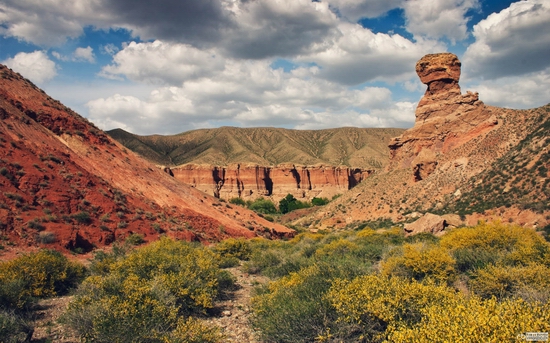
Charyn canyon, Kazakhstan wallpaper 1Also known as Castle's Valley, it has been compared to the Grand Canyon in US, due to its magnificency. It is located 200 km from the city of Amaty. It was formed some 30 million years ago, and it offers a breathtaking scenery.

In fact, the country has beautiful natural reserves that are used for hiking and water sports.


St Nicholas Church

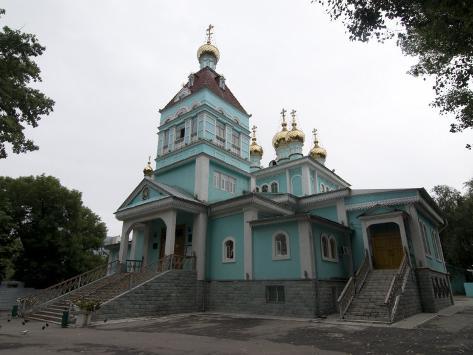
This is a remnant of the Russian era. The Nikolski Sobar was used as stables for a while, but religious services started again 1980, long before the country's independence. 

It's turquoise walls and wooden framework is much used by the babushkas these days.


Almaty's Playground

Almaty used to be the country's capital until 1997, when Astana gained that status. The 'playground' is only a few minutes drive from Medeo, one of the most popular areas in the city, and up in the mountains at 1,700m. There are cafes, an ice rink in the winter. 


Have you got any other facts about Kazakhstan or fun things for expats to do? If so, please share them! Thank you for reading.


10 April 2013

8 Reasons Why Expats Live and Work in Dubai


Dubai, like the GCC area, is now a hot spot for expatriates. Being a a state member of the UAE, a recent report by the Dubai Statistics Centre reveals a 5% increase in population over 2012 to 2.1 million.

Interestingly enough, most of them are expatriates. Given that Dubai and Abu Dhabi have ranked first and second in the best places to live in the Mena region, this is hardly a surprise. It is not surprising either that the most populated areas in the city are actually those where workers live and work.

Other estimations indicate that over a million people travelled to Dubai daily in 2012, which represents 2% more than in 2011. This number includes commuters and other people who also live in the region.  

Dubai certainly seems to be a busy area. Let’s have a look at some of the reasons why professionals live and work in Dubai.

1. Trade is thriving and employment is on the increase.

Dubai is currently an international market which is viewed in the same light as London or New York. According to Dubai's government, their international trade has been growing by an average of 11% since 1988.

Employment is also on the increase in the whole UAE. The Vice President of Sales at Bayt.com said that the GCC area’s broad mass appeal seems in the increase only. A January Job Survey showed that 67% of employers in the MENA region planned to hire during 2013.

Another interesting fact is that they don’t mix business and politics, as their trade with Iran shows.

2. Stable economy in a safe area.

The recent Consumer Confidence Index published in March showed that professionals expected their personal finances to improve during the next 6 months. It is also worth noting that salaries are tax-free and higher in some industries than in the same industries in other areas in the world.

Safety might be a concern for expats. But, Dubai is a low-crime area. Also, the fact that most of the population are professionals makes this area safer than many others.

3. Strategic location.

It is a bridge between the Far East and Europe on the East-West, and the CIS and Africa on the North-South.  Dubai boasts good infrastructure, including a solid airline carrier. This certainly helps international business, with numerous companies headquartered in the area. 

4. High-quality facilities and services.

Expats living or working in Dubai are enjoying high-quality services in most aspects of life, eg, automations of bills, etc. As IExpats.com mentions, Dubai and UAE offer a high standard of living.

Medical facilities are also good. However, expats would only enjoy this service free of charge in case of life-threatening cases or emergencies. That’s the reason why expats need international medical cover if they wish to live or work in that area. Talking to a specialist health insurance broker can only be beneficial for them.

5. Entertainment.

Business conferences aside, events and outdoor activities are easy to find. Dubai is a buzzing city, and expats feel that there is always something going on. Anything from sporting activities (there are many sports clubs available), exhibitions and music concerts can easily be found. Acts as varied as The Killers or David Guetta have played there.

6. Breath taking buildings and scenery.


Source: Palordinia

7. Multicultural society.

Expatriates can do business with and live alongside people of different areas of the world. This tiny area is a global village where expatriates learn to appreciate and live in a multicultural environment.

8. Weather.

If expats are looking for a warm, sunny place to live and work, this seems to be the one. It is warm for about eight months a year. 

Any others that you might have? Thank you for reading.